01
Relaxation
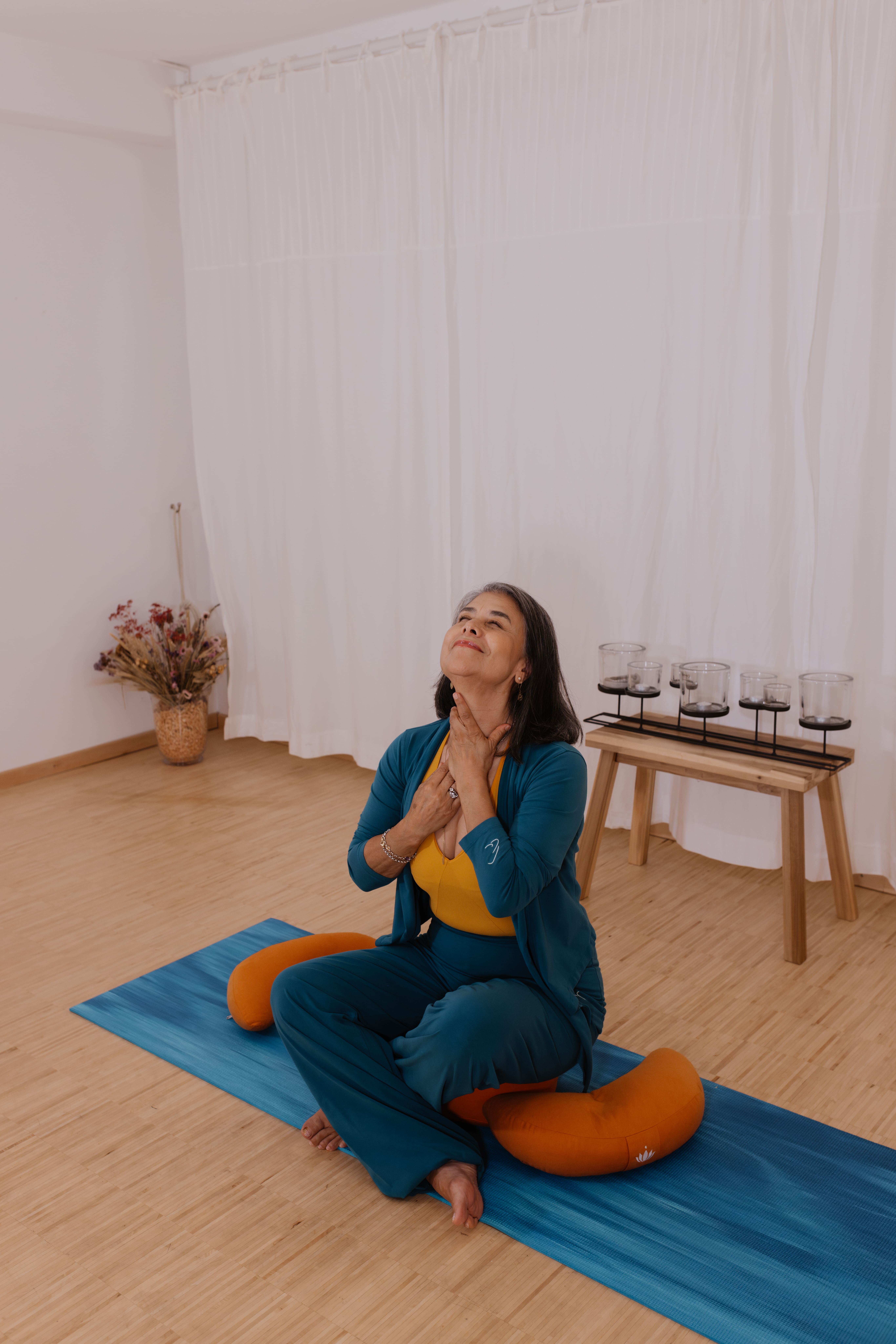
Autogenic training
A legally recognised relaxation method based on autosuggestion, after J. H. Schultz.
Therapies
I combine recognised psychotherapeutic methods with proven relaxation techniques and the Taoist practices. Which of them we use, we decide together.
Behavioural therapy and relaxation methods — on their own or combined, always tailored to your situation.
A legally recognised relaxation method based on autosuggestion, after J. H. Schultz.
How we think shapes how we feel and act — recognising, examining and changing attitudes.
Works through the body on the whole organism — relaxing, pain-relieving, stress-reducing.
Calming and gathering the mind — with proven effects on body and psyche.
One step forward together — in individual and couples sessions, enriched with Taoist elements.
Deep relaxation through conscious tensing and releasing of the muscles, after Edmund Jacobson.
Critical questioning as a technique — making patterns of thought visible, understandable and changeable.
Working on body structure and body awareness — for a new, accepting sense of self.
In detail
Autogenic training is a relaxation method based on autosuggestion. It was developed from hypnosis by the Berlin psychiatrist Johannes Heinrich Schultz, first presented in 1926 and published in 1932 in his book "Autogenic Training". Today it is a widely used and — in Germany and Austria even legally — recognised psychotherapy method.
At the centre of cognitive therapy are cognitions: attitudes, thoughts, evaluations and convictions. It assumes that the way we think determines how we feel, behave and react physically. The focus of the therapy is on:
Massage works mechanically on skin, connective tissue and muscles through stretching, pulling and pressure. Its effect extends from the treated area over the whole organism and includes the psyche:
Meditation is a spiritual practice found in many cultures. Through mindfulness or concentration exercises the mind is meant to calm and gather. Studies show positive effects in many areas:
Taking a step forward together — in individual and couples sessions, enriched with elements of the Taoist traditions in meditation, yoga and Qigong, we pursue these goals:
In progressive muscle relaxation after Edmund Jacobson, a state of deep relaxation of the whole body is reached through deliberate, conscious tensing and releasing of specific muscle groups. The aim is to lower muscle tension below the normal level through improved body awareness. Over time you learn to bring about muscular relaxation whenever you wish.
The Socratic dialogue is a questioning technique therapists use when a therapeutic conversation is about clarifying concepts and making decisions. It is a process of critically questioning arguments: structures and behaviour patterns become visible, your own thinking and acting become understandable — and therefore changeable.
Yoga, Qigong and Tai Chi are techniques that work on body structure and body awareness. Combined with meditation and massage, these practices lead to a new sense of self, a more positive and accepting attitude towards yourself and your own body.
The initial consultation is free and without obligation. Learn to use the power of integrating body, mind and soul for yourself.